

Root Canal Treatment Side Effects: What’s Normal, What’s Not, and When to Worry
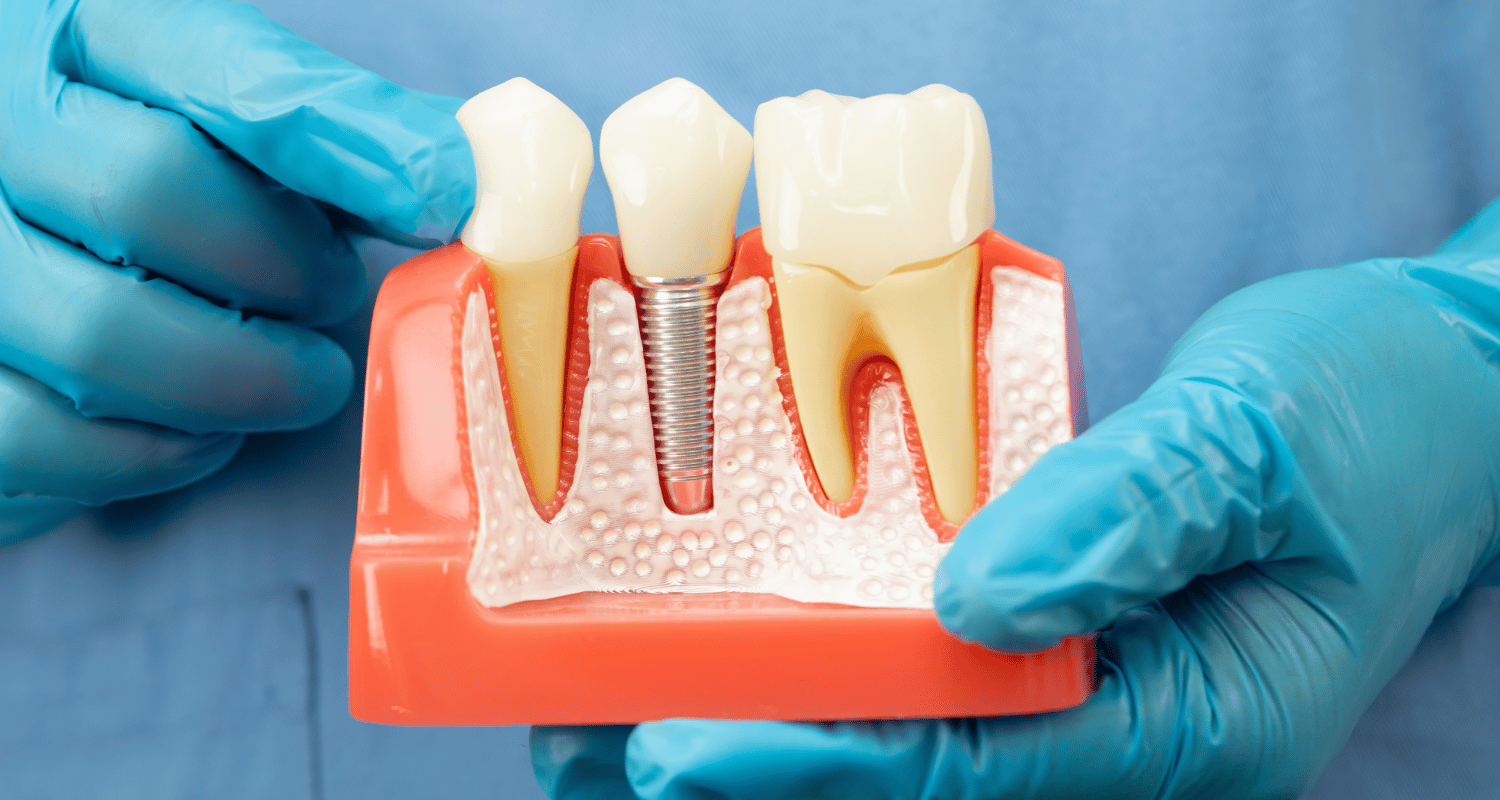
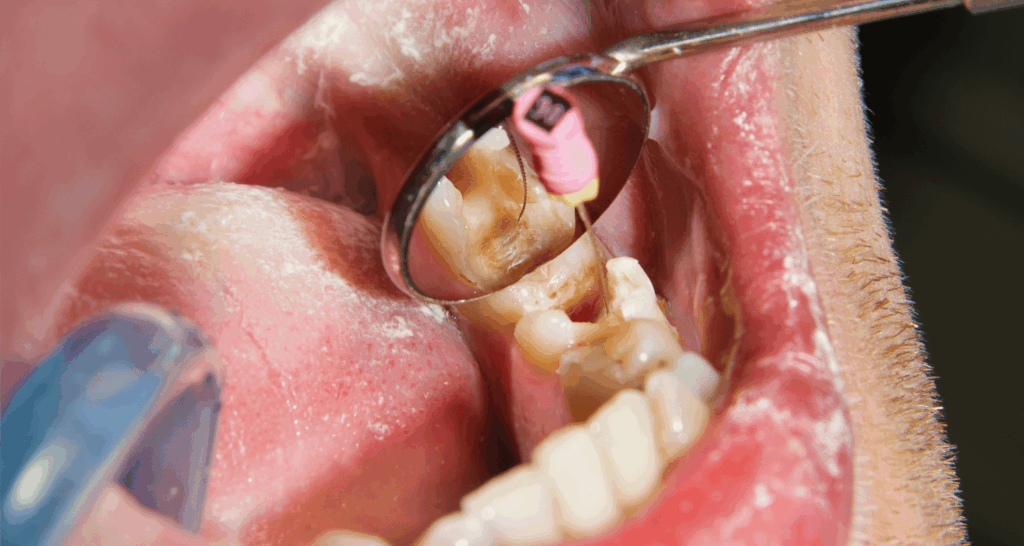
Root canal treatment is one of the most common dental procedures performed today. It saves infected or severely damaged teeth from extraction. The procedure removes infected pulp, cleans the inside of the tooth, and seals it to prevent future problems.
Most root canals are safe and successful. But like any medical procedure, side effects can happen. Some are normal and temporary. Others may signal a problem that needs attention.
This guide helps you understand what to expect after a root canal. You’ll learn which symptoms are part of normal healing and which ones require a call to your dentist.
Common Short Term Side Effects
Most people experience mild discomfort after a root canal. These symptoms are normal and usually disappear within a few days to a week.
Pain or Soreness
Mild to moderate pain is the most common side effect. The tissues around your tooth need time to heal after the procedure. This discomfort typically peaks within the first 24 to 48 hours and gradually improves.
Over the counter pain relievers like ibuprofen or acetaminophen usually manage this pain well. Your dentist may prescribe stronger medication if needed.
Gum Swelling or Inflammation
Some swelling around the treated tooth is normal. This happens because your body responds to the procedure with natural inflammation. The swelling should be mild and start going down after a few days.
Apply a cold compress to your cheek for 15 minutes at a time to reduce swelling. This works best during the first 24 hours after treatment.
Tooth Sensitivity
Your tooth may feel sensitive to hot or cold temperatures for several days. Pressure from chewing can also cause discomfort. This sensitivity occurs because the tissues around the tooth root are inflamed and healing.
Stick to soft foods and avoid extreme temperatures until the sensitivity fades. Most people find this improves within three to seven days.
Jaw Stiffness
Keeping your mouth open during the procedure can make your jaw feel sore or stiff. This is similar to the soreness you might feel after any activity that uses muscles in an unusual way.
Gentle jaw exercises and warm compresses can help ease this stiffness. It usually resolves on its own within a few days.
Mild Discomfort When Chewing
The treated tooth and surrounding area may feel tender when you bite down. This is normal as your tooth adjusts to the dental filling material and your tissues heal.
Chew on the opposite side of your mouth until the tenderness goes away. Most patients can return to normal chewing within a week.
When Side Effects May Be a Sign of Trouble
While mild discomfort is expected, certain symptoms suggest something more serious. Pay attention to these warning signs and contact your dentist if you experience them.
Increasing or Severe Pain
Pain should improve over time, not get worse. If your pain intensifies after a few days or becomes severe, this could mean the infection wasn’t fully removed or the seal has failed.
Fever or Feeling Unwell
A fever, chills, or general feeling of illness may indicate a spreading infection. This is not a normal part of recovery and requires immediate medical attention.
Persistent Swelling or Pus Discharge
Swelling that doesn’t improve or gets worse after a few days is concerning. If you notice pus coming from the gum near the treated tooth or have a bad taste in your mouth, the tooth may be infected.
Tooth Feels Loose or Looks Darker
A tooth that feels loose after treatment needs evaluation. Significant darkening of the tooth, while sometimes cosmetic, can also indicate a problem.
Symptoms Lasting Beyond a Week
Most root canal side effects improve within seven to ten days. If your symptoms persist or worsen beyond this timeframe, schedule a follow up appointment.
Early intervention can often fix complications before they become serious problems. Don’t hesitate to call your dentist if something doesn’t feel right.
Long Term Side Effects and Risks
Most root canals provide lasting relief and function. However, some long term effects can occur in rare cases.
Tooth Fracture
A tooth that has had root canal treatment becomes more brittle over time. The pulp that once nourished the tooth is gone, making it more prone to cracks or breaks.
This is why dentists strongly recommend placing a crown on the tooth after treatment. The crown protects and strengthens the tooth structure. Without this protection, the tooth faces a higher risk of fracture, especially when chewing hard foods.
Reinfection
While uncommon, bacteria can re enter the tooth through several pathways. Cracks in the tooth, a loose filling, or improperly sealed canals can all allow bacteria back inside.
Signs of reinfection include renewed pain, swelling, or abscess formation. If this happens, you may need retreatment or an apicoectomy, a procedure that removes the tip of the tooth root.
Tooth Discoloration
Some teeth darken after root canal treatment. This happens because the tooth essentially dies when the pulp is removed. The dead tissue inside can show through the outer layers of the tooth.
This is primarily a cosmetic concern, not a health issue. Dentists can address discoloration with internal bleaching, dental veneers, or crowns to restore the tooth’s appearance.
Nerve Damage
In very rare cases, the instruments used during the procedure can affect nearby nerves. This may cause numbness, tingling, or altered sensation in the surrounding area.
Most nerve issues resolve on their own within a few weeks. Persistent numbness should be evaluated by your dentist or a specialist.
Jawbone Loss
If a reinfection goes untreated, the bone around the tooth root can begin to deteriorate. This threatens the tooth’s stability and can affect neighboring teeth.
Regular dental checkups help catch any bone loss early before it causes serious problems.
Chronic Discomfort
A small number of patients report lingering sensitivity or discomfort long after their root canal. This can result from microscopic canals that couldn’t be reached, scar tissue, or unresolved inflammation.
If you experience ongoing discomfort, your dentist can investigate the cause and discuss treatment options.
Myths vs Reality
Many misconceptions about root canals cause unnecessary fear. Here’s the truth about common myths.
Myth: Root canals are extremely painful
Modern techniques and local anesthesia make root canals no more uncomfortable than getting a filling. The procedure actually relieves pain by removing the infected tissue causing your discomfort.
Myth: Root canals cause illness
This outdated theory has been thoroughly debunked by scientific research. Root canals do not increase your risk of systemic disease or health problems.
Myth: Extraction is better than root canal
Saving your natural tooth is almost always preferable to extraction. Natural teeth provide better function, appearance, and help maintain proper jaw structure.
When to Call Your Dentist
Contact Dental Faith in Nashville if you experience any of these symptoms:
- Pain that lasts beyond a week or gets worse over time
- Sudden swelling or fever
- Pus discharge or persistent bad taste
- Tooth feels loose or cracked
- Numbness that doesn’t improve after a few weeks
- Any symptom that concerns you
Early evaluation can prevent minor issues from becoming major problems.
FAQs
1. Is pain normal after a root canal?
2. How long does swelling last after a root canal?
3. Why does my tooth still hurt weeks after a root canal?
4. What are the signs of reinfection after a root canal?
5. Can a root canal cause nerve damage?
6. What does nerve damage from a root canal feel like?
7. Can a root canal cause chronic pain?
8. Does a root canal make the tooth more likely to break?
9. Do I really need a crown after a root canal?
10. What foods should I avoid after getting a root canal?
11. How can I reduce the risk of reinfection after a root canal?
12. Does a root canal cause tooth discoloration?
13. Are root canals painful or dangerous?
14. Is a root canal better than pulling the tooth?
15. Can I get root canal treatment at Dental Faith in Nashville?
The Bottom Line
Root canal treatment has a high success rate when performed by experienced dentists. Most side effects are mild and temporary, resolving within a few days to a week.
Understanding what’s normal helps you stay calm during recovery. Knowing the warning signs helps you get prompt care if complications arise.
At Dental Faith in Nashville, Dr. M. Paula Fedler and our team provide gentle, expert root canal care. With over 20 years of experience, Dr. Fedler uses modern techniques to ensure your comfort and the best possible outcome.
If you’re experiencing tooth pain or have been told you need a root canal, don’t wait. Call our Nashville office at (615) 285-3949 or request an appointment online. We serve patients throughout Nashville, Brentwood, and Antioch in English and Spanish.
Visit our restorative dentistry page to learn more about root canal treatment. If you have questions about how to avoid a root canal naturally or root canal recovery time, check out our other helpful guides. For urgent dental concerns, we offer emergency dental care when you need it most.